
How Yoga Supports Deep Sleep
Evenings offer a powerful opportunity to unwind from the momentum of the day and guide the body toward a state of rest. When we intentionally slow down through gentle movement, grounding postures, and breath-centered practices, we help shift the nervous system from the intensity of doing into the quiet of simply being. This transition is essential: our bodies and minds crave a rhythm that allows us to release the day and prepare for healing sleep.
The Science of Softening
Yoga in the evening is not about pushing or striving. It is about softening. Forward folds, reclined twists, and supported inversions signal safety to the body. Slow, diaphragmatic breathing and pranayama practices that emphasize a lengthened exhale help activate the parasympathetic nervous system, lowering heart rate, reducing cortisol, and quieting mental chatter.
Lengthening the exhale directly influences the amygdala, the brain’s alarm center, signaling that it is safe to relax. Gentle yoga also stimulates the vagus nerve, improving heart rate variability, which supports emotional regulation and deeper, more stable sleep.
Why Deep Sleep Matters for Your Health
Quality sleep is essential for our overall health, especially for the brain. During deep sleep, the brain’s glymphatic system clears metabolic waste, including proteins linked to cognitive decline. Sleep is also when we consolidate memories, regulate mood, restore creativity, and strengthen immunity.
When we sleep well, we wake with more clarity, steadiness, and resilience — exactly what we need to meet the demands of our days.
Shifting From Rumination to Presence
Yoga also helps us get out of worry mode. Many people lie down at night only to be met with rumination, replaying the day or planning tomorrow. Slow movement and mindful breathing shift attention into the body, making it harder for the mind to spin.
Present-moment awareness invites quiet. It becomes a gentle anchor that helps us let go of the day rather than carry it into the night.
A Simple Bedtime Ritual
One of my favorite rituals before bed is practicing a few gentle stretches right in my bed. A reclined twist, knees-to-chest, or a simple child’s pose helps my body settle. After that, I take a couple of minutes to lengthen my exhale, feeling my mind and body begin to surrender into the support beneath me.
It is a small practice, but it creates a powerful shift from the busyness of the day into a feeling of ease and safety.
Building a Restorative Rhythm
Even ten minutes of evening yoga can make a meaningful difference. You are not aiming for perfection — you are building a restorative rhythm that supports your health from the inside out. Evening yoga becomes a bridge from busy to bedtime, from thinking to feeling, from tension to deep rest.
When we end the day with intention rather than exhaustion, we give the body what it needs most: quiet, restoration, and the opportunity to heal.
3 Evening Poses for Better Sleep
Simple shapes to calm the body, settle the mind, and ease into rest.

1. Legs-Up-the-Wall (Viparita Karani) A gentle inversion that calms the nervous system, reduces swelling in the legs, and signals the body to slow down. Stay for 3–5 minutes and breathe slowly, letting your exhale lengthen. |
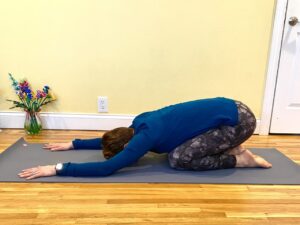
2. Supported Forward Fold Sit on your bed or a cushion, fold forward over pillows, and let your head rest. This posture quiets the mind, releases the back body, and encourages the shift into rest-and-digest mode. |
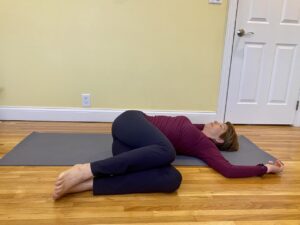
3. Reclined Twist Lie on your back, let your knees fall to one side, and open your arms wide. This twist helps unwind tension from the spine and wring out leftover stress from the day. Stay for 1–2 minutes each side. |